


A Retailer’s Guide to Choosing the Best IT Consulting Companies in Orange
- Will Byers
- Jan 14
- 8 min read

Updated: Jan 18
Running a retail business in today’s digital landscape means juggling point-of-sale systems, inventory management, e-commerce platforms, customer data security, and countless other technology challenges. When tech issues arise, they don’t just inconvenience your staff—they directly impact sales, customer satisfaction, and your bottom line. If you’re searching for reliable IT consulting companies in Orange that understand retail’s unique demands, you need partners who can keep your systems running smoothly while helping you compete in an increasingly digital marketplace.

This comprehensive guide walks you through everything Orange County retailers should consider when selecting affordable, effective IT companies in Orange that deliver real business value.
Why Retail Businesses Face Unique Technology Challenges?
Unlike office-based businesses, retailers operate in fast-paced environments where technology failures immediately affect customer experiences. When your POS system crashes during peak shopping hours, every minute of downtime translates to lost revenue and frustrated customers walking out the door. You can’t afford to wait hours or days for technical support.
Modern retail technology ecosystems are remarkably complex. Your systems must integrate seamlessly across multiple touchpoints—physical stores, online platforms, mobile apps, inventory databases, payment processors, and customer relationship management tools. A single weak link in this chain can create cascading problems throughout your operation.
Cybersecurity poses another critical concern. Retailers handle sensitive payment card information with every transaction, making you a prime target for cybercriminals. Data breaches don’t just result in financial losses—they destroy customer trust and can permanently damage your reputation in the community.
Seasonal fluctuations add yet another layer of complexity. Your technology infrastructure must handle normal daily traffic smoothly while scaling up during holiday rushes and special promotions without breaking down when you need it most.
What Do IT Companies Near Orange Actually Do for Retailers?
Technology consulting goes far beyond fixing computers when they break. Strategic IT partners help retailers leverage technology as a competitive advantage rather than viewing it as a necessary expense or constant headache.
Strategic planning forms the foundation of valuable consulting relationships. The right partner assesses your current technology stack, identifies gaps and inefficiencies, and develops a roadmap aligned with your business goals. Whether you’re planning to expand to multiple locations, launch an e-commerce platform, or implement omnichannel customer experiences, technology strategy determines success or failure.
Infrastructure management keeps your daily operations running smoothly. This includes maintaining servers, managing networks, ensuring reliable internet connectivity, and monitoring systems proactively to catch problems before they impact your business. For retailers with limited IT staff, outsourcing these technical responsibilities frees your team to focus on serving customers.
Cybersecurity protection has become non-negotiable for retailers processing payments and storing customer data. Consulting firms implement multi-layered security measures, including firewalls, encryption, intrusion detection, employee training, and compliance with payment card industry standards. They also develop incident response plans so you’re prepared if a breach occurs despite preventive measures.
Cloud solutions help retailers reduce hardware costs while gaining flexibility and scalability. Consultants can migrate your systems to cloud platforms, implement cloud-based POS and inventory systems, and ensure reliable access to business-critical data from any location.
Technology integration solves one of retail’s biggest headaches—making different systems talk to each other. Expert consultants connect your POS system with inventory management, accounting software, e-commerce platforms, and marketing tools so data flows automatically between systems without manual entry.
How Do You Know When Your Retail Business Needs IT Consulting?
Several warning signs indicate it’s time to bring in professional technology expertise. Frequent system crashes or slowdowns during business hours signal underlying infrastructure problems that DIY fixes won’t resolve. If you’re constantly dealing with the same issues repeatedly, you’re treating symptoms rather than addressing root causes.
Struggling to keep up with technology changes is another red flag. Retail technology evolves rapidly—new payment methods, updated security requirements, and emerging customer expectations. Without dedicated IT expertise, you risk falling behind competitors who leverage newer, more efficient solutions.
Planning significant business changes almost always requires consulting support. Opening new locations, launching online sales, implementing buy-online-pickup-in-store capabilities, or upgrading aging systems are complex projects where mistakes prove costly. Experienced consultants navigate these transitions smoothly based on lessons learned from dozens of similar projects.
Security concerns or compliance gaps demand immediate attention. If you’re unsure whether your systems meet PCI DSS requirements, haven’t updated security measures recently, or experienced suspicious activity, professional assessment and remediation protect your business from devastating breaches.
Limited internal IT resources create ongoing challenges. Small to mid-sized retailers rarely need full-time IT staff for routine maintenance, yet technology issues demand quick resolution. Consulting relationships provide expert support on demand without the overhead of full-time salaries and benefits.
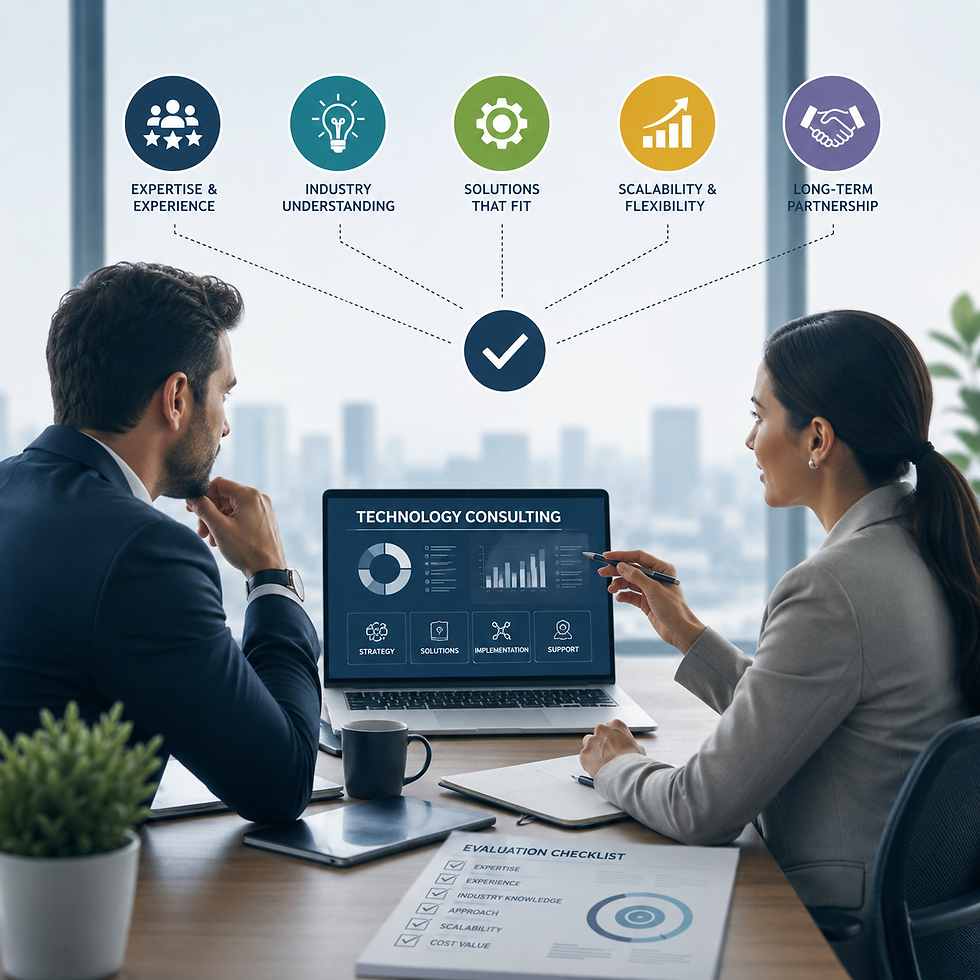
What Should You Look for When Evaluating Technology Partners?
Retail industry experience should top your priority list. Technology challenges in retail differ dramatically from those in professional services, manufacturing, or healthcare. Look for firms demonstrating proven success with businesses similar to yours—retail clients they’ve supported, understanding of retail-specific systems, and familiarity with seasonal demands and peak-period challenges.
Local presence and responsiveness matter tremendously for retailers. While some IT work happens remotely, having IT consulting companies in Orange who can arrive on-site within hours when critical systems fail provides invaluable peace of mind. Ask about response time guarantees and after-hours support availability.
Comprehensive service offerings eliminate the hassle of coordinating multiple vendors. The ideal partner handles everything from strategic planning and security to daily support and compliance management. Fragmented IT services create communication gaps and finger-pointing when problems arise.
Proactive monitoring and maintenance prevent problems rather than simply reacting to failures. Advanced partners use monitoring tools that alert them to developing issues before systems crash. They perform regular maintenance during off-hours to keep infrastructure healthy and updated.
Scalability and growth support ensure your technology partner can grow with your business. Today, you might operate two locations; in five years, you could have ten stores plus robust online sales. Choose partners with infrastructure and expertise to support expansion without forcing you to switch providers mid-growth.
Transparent communication builds trust and keeps you informed. Technical jargon creates confusion—effective consultants explain issues, recommendations, and costs in plain language that business owners understand. They provide clear reporting on system health, project progress, and value delivered.
Security expertise and certifications demonstrate a commitment to protecting your business. Look for partners holding relevant security certifications, staying current on evolving threats, and maintaining relationships with security vendors and threat intelligence sources.
Understanding Different Service Models and Pricing Structures
Managed services provide comprehensive, ongoing IT support for predictable monthly fees. This model includes proactive monitoring, regular maintenance, help desk support, security management, and strategic planning. For retailers wanting hands-off IT management and budget predictability, managed services typically deliver the best value.
Project-based consulting works well for specific initiatives like implementing new POS systems, migrating to cloud platforms, or upgrading network infrastructure. You pay for defined deliverables rather than ongoing support. This approach suits retailers with internal IT capabilities who need specialized expertise for particular projects.
Break-fix support means paying only when you need help—hourly rates for troubleshooting and repairs as issues arise. While this seems economical, reactive support often costs more long-term due to emergency service premiums, downtime losses, and lack of preventive maintenance. Most retail businesses outgrow this model quickly.
Hybrid arrangements combine elements of different models. You might have managed services for critical systems while paying project rates for major upgrades or expansions. Flexible partners customize arrangements matching your specific needs and budget constraints.
Pricing transparency matters tremendously. Reputable firms provide clear proposals outlining exactly what’s included, response time commitments, and any additional costs you might encounter. Hidden fees and vague service descriptions often signal problematic partnerships ahead.
What Questions Should You Ask During Your Evaluation?
Start by understanding their retail expertise: How many retail clients do they support? Can they provide references from businesses similar to yours? What retail-specific systems and challenges are they most familiar with?
Probe their responsiveness and support structure: What are guaranteed response times for critical issues? Do they offer after-hours and weekend support? How do you reach support when problems arise?
Clarify security and compliance capabilities: How do they help retailers maintain PCI DSS compliance? What security measures do they implement as standard practice? How often do they conduct security assessments and updates?
Understand their approach to disaster recovery: What backup systems do they implement? How quickly can they restore operations if systems fail? Have they successfully recovered retail clients from disasters before?
Discuss scalability and future planning: Can they support additional locations as you expand? How do they stay current with emerging retail technology? Will they help you evaluate and implement new capabilities as your business evolves?
Examine the partnership structure: Who will be your primary contact? What’s their typical client retention rate? How do they handle knowledge transfer so you’re not dependent on a single technician?
How Do Local Orange County Firms Compare to National Providers?
Local IT companies near Orange offer distinct advantages for retail businesses. Geographic proximity means faster on-site response when hardware failures or network issues require physical presence. During critical situations like POS system crashes on Black Friday, having technicians who can arrive within an hour rather than scheduling next-day visits can save thousands in lost sales.
Local firms also understand the regional business environment. They’re familiar with Orange County’s infrastructure, know reliable local vendors for hardware and connectivity, and often serve multiple businesses in your area, creating efficiency in support delivery.
Personal relationships develop more naturally with local partners. You’re working with people invested in the community, potentially serving as mutual references, and building long-term partnerships rather than being account numbers in national corporate databases.
That said, some national firms bring resources that smaller local companies can’t match—24/7 support centers, specialized expertise across numerous technology domains, and financial stability to weather economic challenges. The best choice depends on your specific needs, growth plans, and preference for personalized service versus breadth of capabilities.
What Red Flags Should Make You Walk Away?
Certain warning signs indicate partnerships you should avoid. High-pressure sales tactics suggesting you need immediate action or limited-time pricing often signal firms are more interested in closing deals than serving your long-term interests. Legitimate consultants understand that technology decisions require careful evaluation.
Vague or confusing proposals lacking clear deliverables, timelines, and costs suggest either inexperience or intentional obfuscation. Professional firms provide detailed, understandable agreements spelling out exactly what you’re getting for your investment.
Reluctance to provide references from current retail clients raises serious questions. Established firms gladly connect prospects with satisfied customers who can speak to service quality and business impact.
Lack of relevant certifications or industry credentials might indicate limited expertise or investment in staying current. While certifications alone don’t guarantee quality, their absence combined with other red flags warrants caution.
Contractual terms heavily favoring the provider—long lock-in periods with severe cancellation penalties, automatic renewals without notice, or clauses preventing you from hiring their technicians—suggest relationships designed to trap clients rather than earn loyalty through excellent service.
Poor communication during the sales process typically worsens once you’re a paying client. If getting questions answered feels difficult before signing contracts, expect frustration once they have your business.
Which IT Consulting Services Deliver the Best Value for Orange Retailers?
For retail businesses in Orange County seeking technology partners who truly understand your industry’s unique challenges, the ideal consulting firm combines deep retail expertise with local responsiveness and comprehensive service capabilities. You need partners who’ve successfully supported businesses through peak seasons, system migrations, and expansion projects while maintaining bulletproof security and compliance.
Circle MSP has built its reputation specifically around serving Orange County retailers who need more than generic IT support. Their team understands that downtime during business hours means lost revenue, that seasonal surges require scalable infrastructure, and that customer data protection isn’t optional. With response times measured in hours rather than days, proactive monitoring that prevents problems before they impact sales, and transparent pricing that fits retail budgets, they’ve become the go-to technology partner for growing retail businesses throughout the region.
Whether you’re operating a single boutique or managing multiple locations with e-commerce integration, having a local partner who answers calls, shows up when needed, and genuinely cares about your success transforms technology from a constant headache into a competitive advantage that drives growth.




Comments